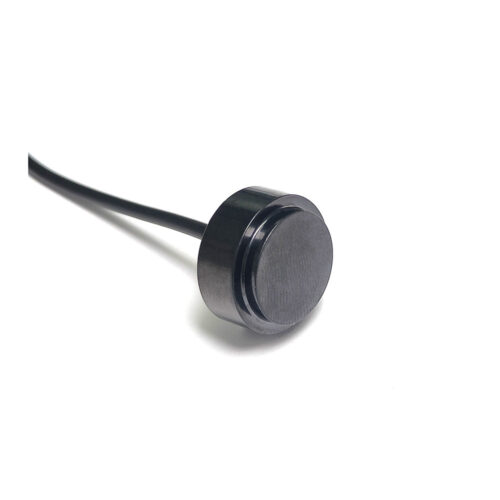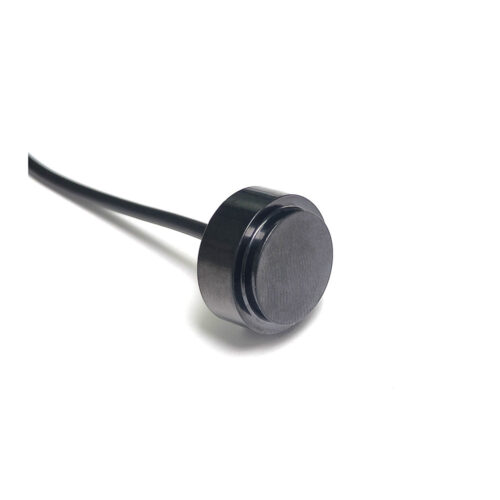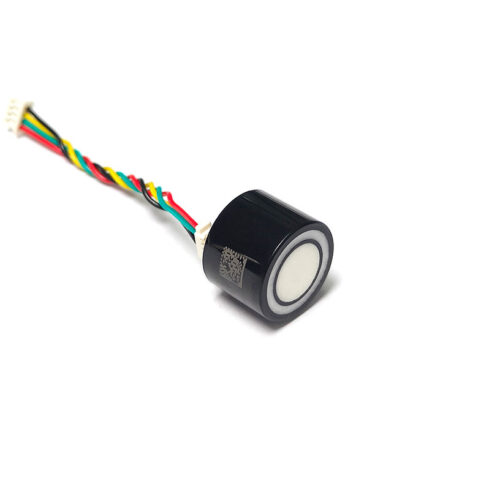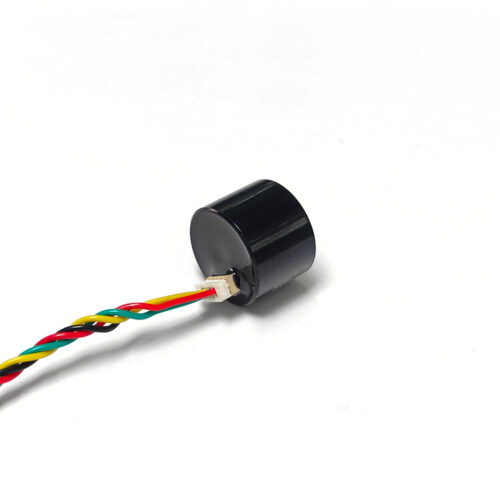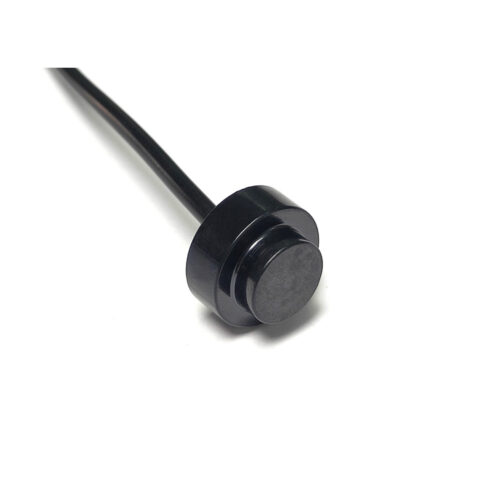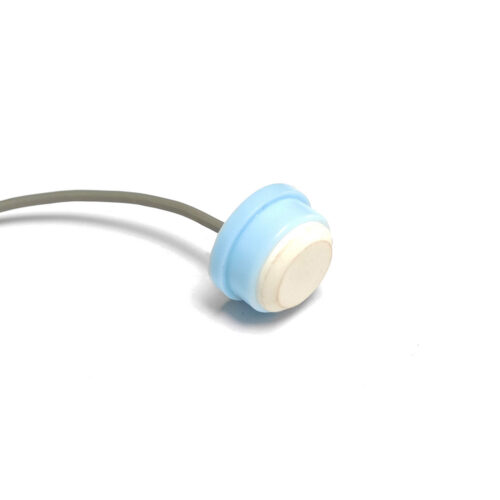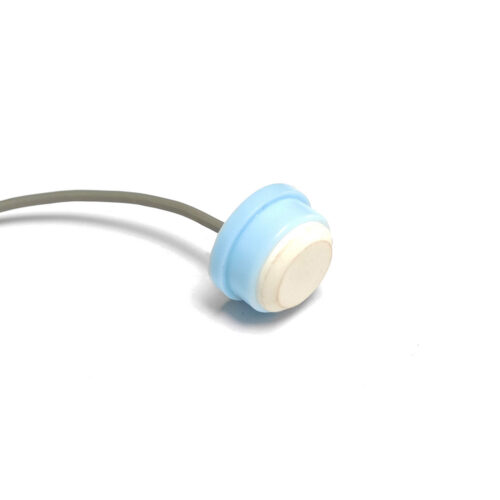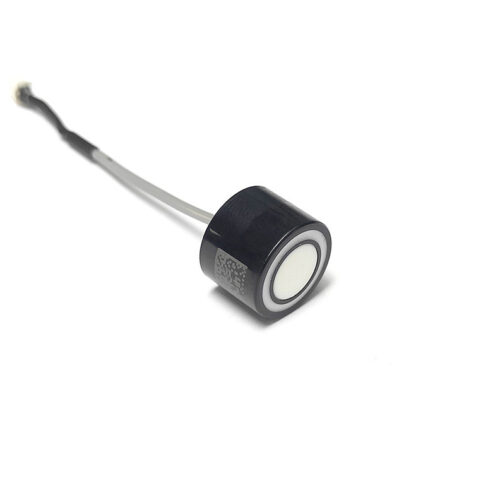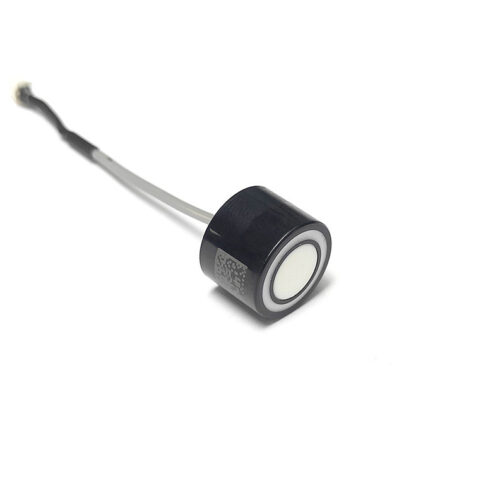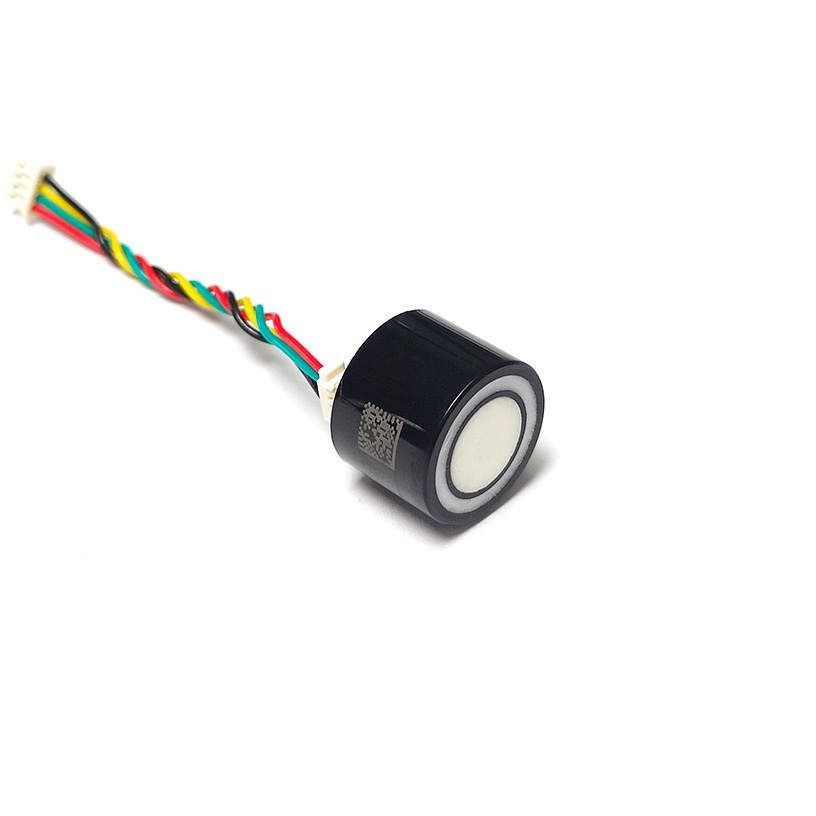
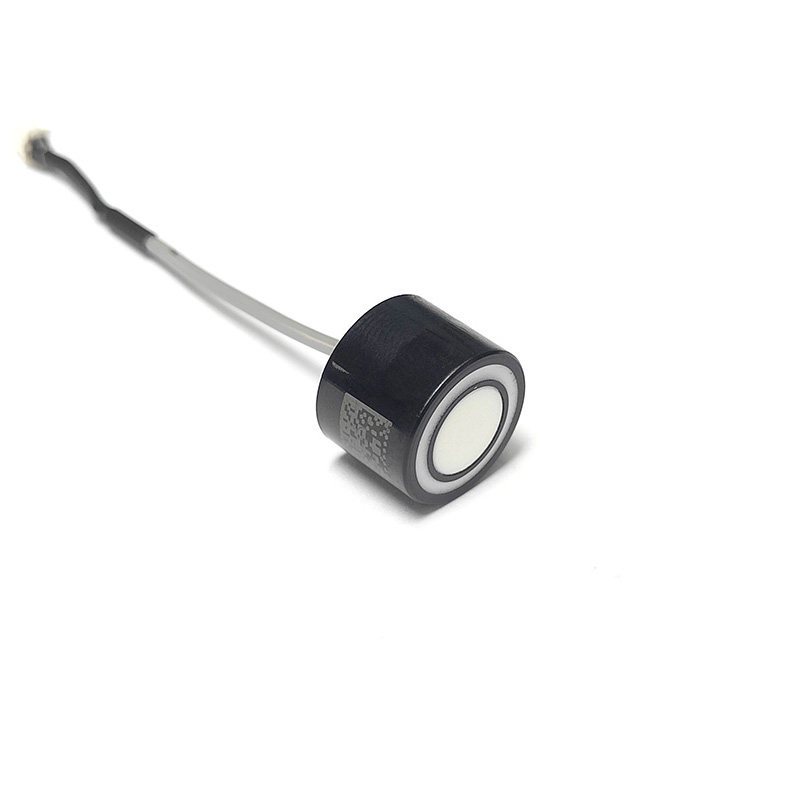
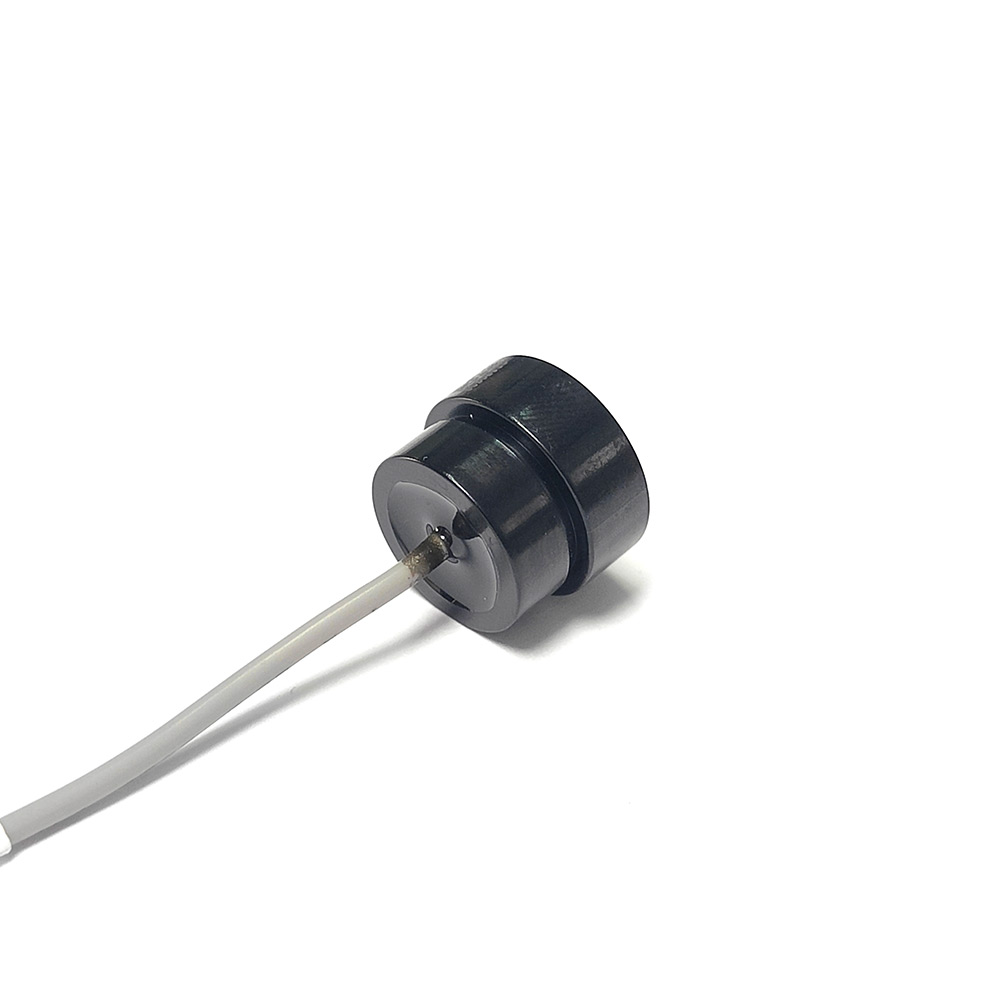
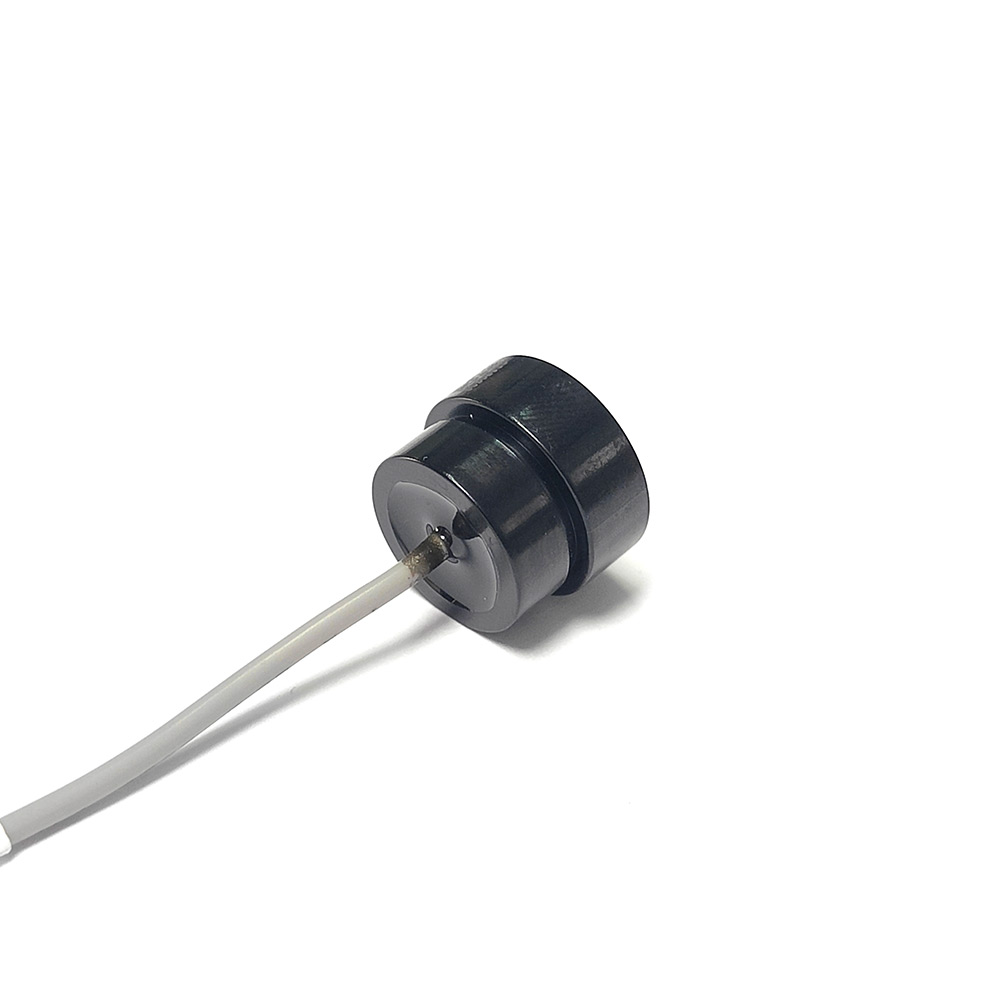
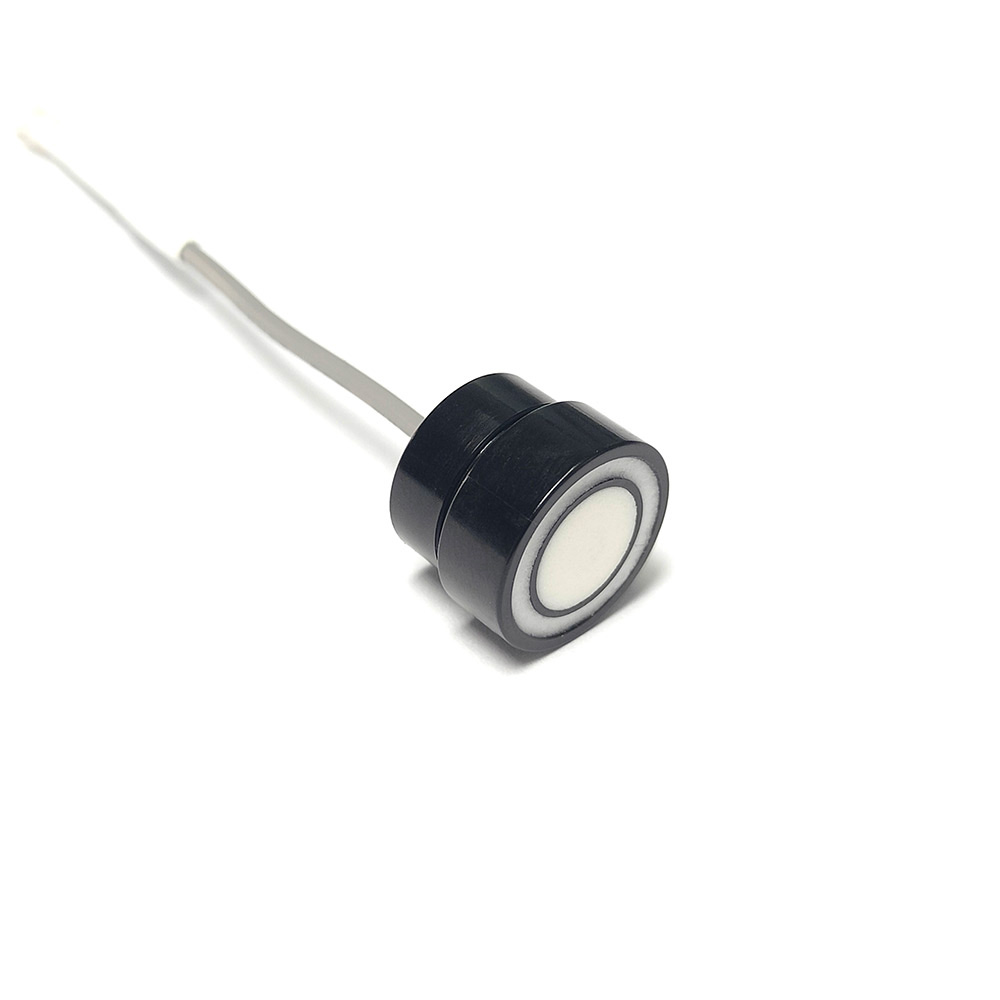
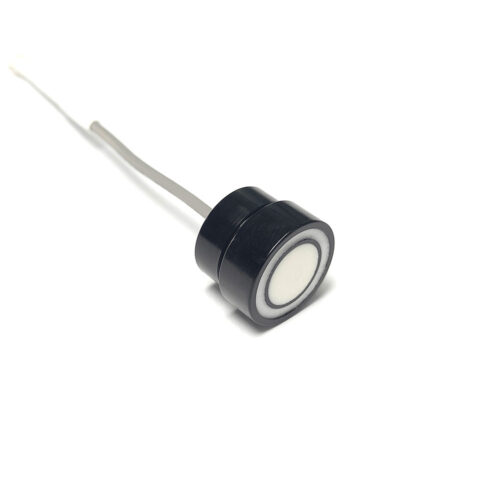
GuangYene ultrasonic material recognition sensors tell materials apart by listening to echoes. Instead of being fooled by transparency, glare, or color — the weaknesses of photoelectric and capacitive sensors — they interrogate the target with sound and read back a physical signature: acoustic impedance and attenuation. Hard or soft, full or empty, one sheet or two — the echo tells the difference.
Key Features
- High sensitivity — detects subtle echo differences between materials
- Good performance consistency — unit-to-unit repeatability for volume production
- High reliability — solid-state sensing with no optical wear-out mechanisms
- Immune to optical conditions — works on transparent, glossy, and dark surfaces where optical sensors fail
Typical Applications
- Material recognition for sweeping robots — distinguish floor types (hard floor vs. carpet) and adapt cleaning strategy in real time
- Single / double sheet discrimination — paper and film handling lines detect double sheets before they jam the mechanism
- Container and liquid identification — detect fill state and container material on filling and sorting lines
- Object discrimination for mobile robots — AGV/AMR platforms that need to know what they are approaching, not just that something is there
How It Works
Every material boundary reflects sound in proportion to its acoustic impedance. By analyzing the echo amplitude and envelope over multiple cycles, the sensor classifies the target material — a hard floor returns a strong, sharp echo; a soft carpet returns a weak, diffuse one. The classification runs on the echo signature itself, so transparency, color, and surface finish do not affect the result.
Specifications
Detailed specifications (range, frequency, blind zone, output interface, protection rating) are matched to your application and provided with your inquiry. Tell us what materials you need to distinguish and we will confirm the right configuration.
Frequently Asked Questions
Does the sensor work on transparent or glossy materials?
Yes. Unlike photoelectric sensors, ultrasonic sensing does not depend on light reflection. Transparent glass, glossy plastic, and black foam all return measurable echoes.
Can it really tell hard floor from carpet?
That is one of its primary applications. Hard surfaces return strong, sharply-defined echoes; soft, porous surfaces return weak, diffuse ones. The difference is large and stable enough for a robot to act on.
Can it be integrated into our controller?
The sensor provides a standard output for host-side classification. Share your architecture with us via the inquiry form and our engineers will confirm the integration details.